

Summary
Healthy relationships and sexuality education continuously evolve. As such, we regularly update our products and materials based on feedback from our students and community. In this article, we offer an example and guidance on why it is crucial that educators/trainers continuously upgrade their content and teaching tools.
Finding The Right Fit
Healthy relationships and sexuality education continue to change over time as language and culture change. At Elevatus Training, we regularly update our materials based on what we learn and feedback from the community to make sure they are easy to understand, respectful, and helpful for people with intellectual and developmental disabilities.
One example is a picture that used to be used a lot: puzzle pieces.
It was meant to show that everyone is unique. Some people said it did not feel right or inclusive, and associated it with organizations that they do not see as supportive. Based on that feedback, we decided to create a new image.

Why the New Image Fits Like a Glove
The new image shows hands and gloves. The top row shows many different hands. The hands are different sizes, shapes, and skin tones.
This shows that all people are different, and all people are okay just as they are.
The bottom row shows gloves that match those hands in color. The idea is that while all hands are okay as they are, not every glove fits every hand, and that is normal.
It helps explain that when relationships do not work out, it just tells us it was not a good fit for us or the other person.
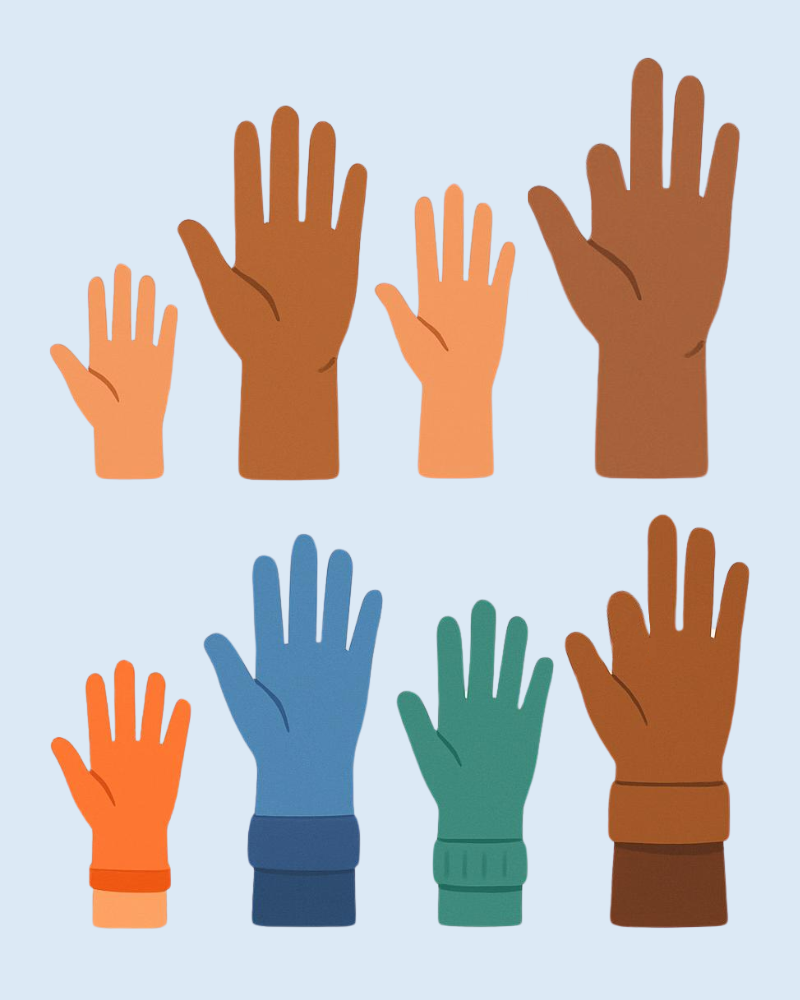
Sometimes when relationships end, we blame ourselves or think something is wrong with us. There is nothing wrong with each person; it just was not a good fit. It helps people feel better and more willing to try again.
This new image helps explain that it is okay for things to feel like a good fit or not a good fit. It helps people understand relationships, boundaries, and choices.
Why Content Updates Like This Matter in Sexuality Education
Thank you for the important work you do to support people with intellectual and developmental disabilities.
We invite you to take a few minutes to think about your teaching. Consider small ways you might continue to grow. This can help the people you support feel respected, included, and better supported in making informed choices about their lives and relationships. For example:
- Review your language to make sure it is clear and respectful.
- Check that your visuals are inclusive and easy to understand.
- Create more chances for people to ask questions and share what matters to them.
Ready to take action?
- Browse Elevatus Curricula & Online Workshop Series
- Become a Sexuality Educator
- Complete One of Our Self-Study Courses
- Register for Upcoming Workshops
By Katherine McLaughlin
Katherine McLaughlin, M.Ed., AASECT Certified Sexuality Educator, is the Founder, CEO, and Lead Trainer for Elevatus Training. She has been a sexuality educator and trainer for over 30 years. As a national expert on sexuality and intellectual and developmental disabilities, she trains professionals and parents, as well as people with I/DD, to become sexual self-advocates and peer sexuality educators.
