Professionals

Filter posts by category

Four diverse adult friends, including a man with Down syndrome, laugh and talk together at an outdoor café table.

Sex Ed vs. Sexuality Education: Why the Words We Use Matter

Many people hear the words “sex ed” and assume the topic is sexual activity. That is one of the biggest misconceptions about sexuality education for people with intellectual and developmental disabilities. The act of sex is only one small part of sexuality. Most of what we teach is about relationships, communication, boundaries, consent, identity, and belonging. Those are the skills that reduce vulnerability to abuse and open up connection, confidence, and independence. Read more about: Sex Ed vs. Sexuality Education: Why the Words We Use Matter

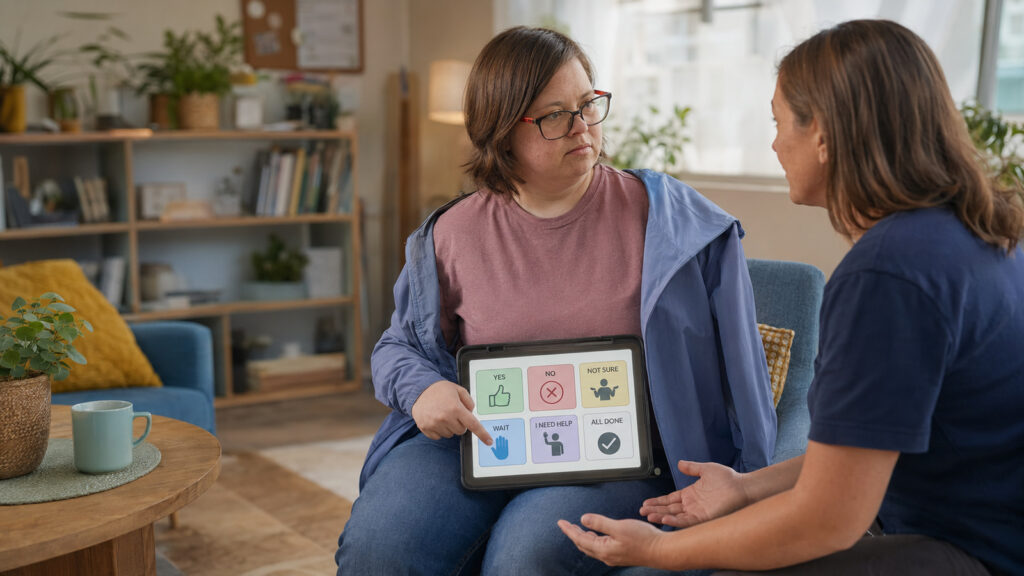
Consent training for people with IDD as an adult self-advocate uses an AAC device to ask a direct support professional to wait.

Teaching Consent to People with Intellectual and Developmental Disabilities: What Builds Real-Life Skills?

Consent is giving permission: saying yes, or agreeing to do something. Teaching it to people with I/DD rests on two ideas. There must be two yesses, and both must be freely chosen. Those skills grow through everyday practice, accessible communication, and supporters who ask before they act. Read more about: Teaching Consent to People with Intellectual and Developmental Disabilities: What Builds Real-Life Skills?

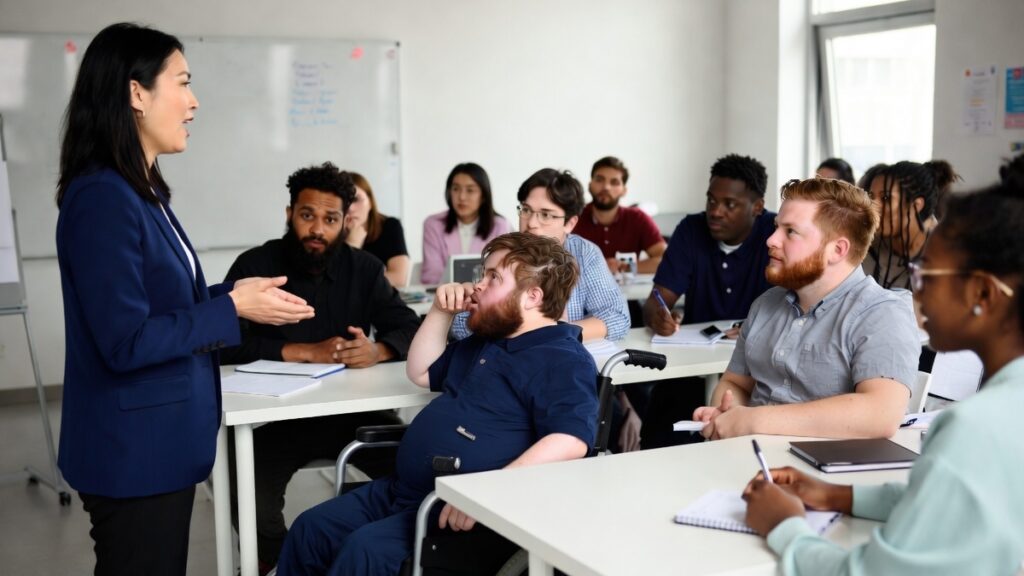
Photo of an Asian woman teaching a class

Managing Curveballs in Teaching Healthy Relationships and Sexuality

Teaching healthy relationships and sexuality can be deeply rewarding — and unexpectedly messy. A room goes quiet, a participant says something surprising, a parent feels uneasy or a lesson lands harder than planned. This guide offers practical, compassionate strategies for educators and trainers who want to stay grounded when teaching about sexuality, disability, consent and self-determination gets real. Read more about: Managing Curveballs in Teaching Healthy Relationships and Sexuality

Photo of young woman leading a class on values.

Can You Be a Vegetarian and Work at McDonald’s? Managing Values and Attitudes as Professionals

Professionals supporting people with intellectual and developmental disabilities (I/DD) often face situations where their personal values conflict with their professional role. This article explores how to manage personal beliefs about sexuality while providing respectful, person-centered support. Read more about: Can You Be a Vegetarian and Work at McDonald’s? Managing Values and Attitudes as Professionals

Shopping Cart
Scroll to Top