Self Advocates

Filter posts by category

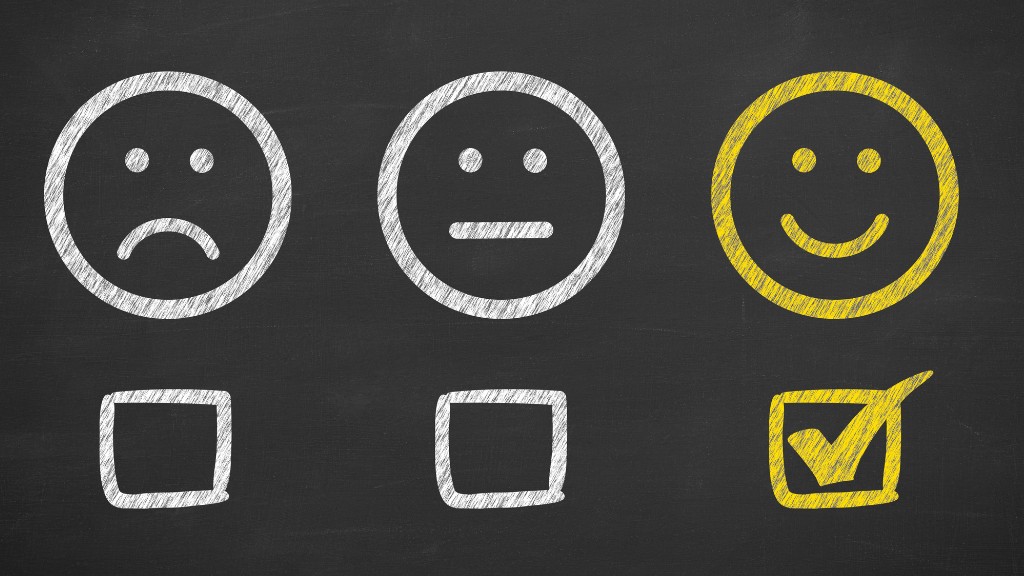
Graphic showing, 3 faces - unhappy, neutral, and happy

Healthy, Unhealthy, or Unsafe? A Relationship Check-In Guide for People with I/DD

This guide walks you through the three types of relationships — healthy, unhealthy, and unsafe — and provides a practical, step-by-step tool for honestly examining the connections in your own life. Whether you are a person with I/DD working through this on your own or a supporter helping someone you care about, the steps below will help you see clearly and decide what comes next.

Healthy, Unhealthy, or Unsafe? A Relationship Check-In Guide for People with I/DD Continue Reading →

Graphic indicating the article is an interview

Self-Advocate Perspective: Tina Fitzgerald on Disability, Sexuality, and Safe Relationships

Tina Fitzgerald is a disability rights self-advocate who works to promote understanding of sexuality, healthy relationships, and safety for people with intellectual and developmental disabilities. She is also an Elevatus Training Adjuct Trainer. Drawing on her personal and professional experience, she emphasizes the importance of open education, informed choice, and challenging stigma around disability and sexuality. Read the full interview below to learn more about her perspective and work.

Self-Advocate Perspective: Tina Fitzgerald on Disability, Sexuality, and Safe Relationships Continue Reading →

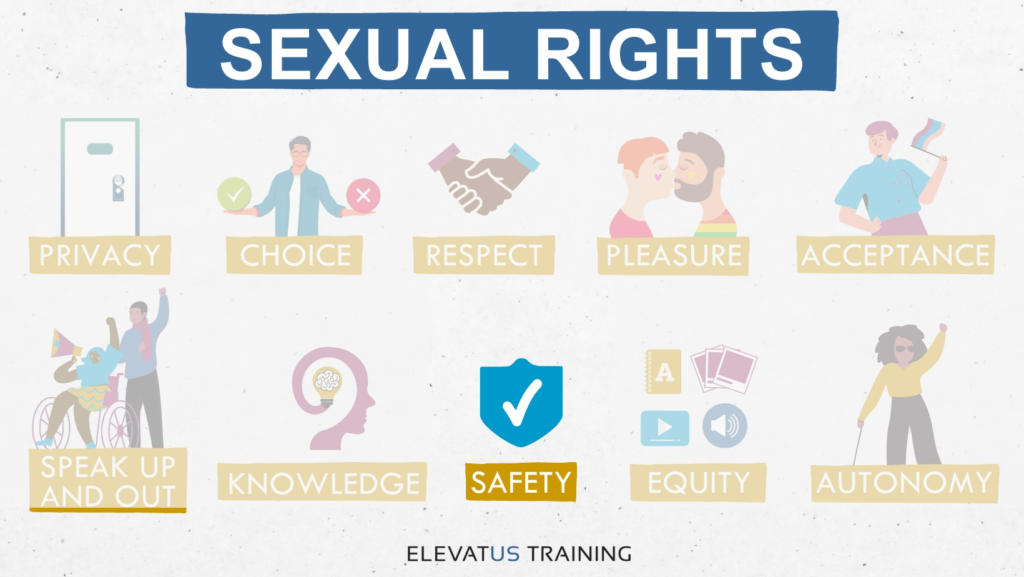
Image of a young woman with I/DD displaying sexual rights imagery.

Sexual Rights: Safety, Empowering Self-Advocates to Keep Themselves Safe

People with intellectual and developmental disabilities (I/DD) deserve the knowledge and skills to help keep themselves safe. Learning about consent, boundaries, healthy relationships, and personal safety can help people recognize risks, communicate their needs, make informed choices, and advocate for themselves. This article explores why sexual safety education matters and shares practical ways to support self-advocacy, confidence, and safe relationships.

Sexual Rights: Safety, Empowering Self-Advocates to Keep Themselves Safe Continue Reading →

Supporting LGBTQ+ People with Intellectual and Developmental Disabilities

Hello! I’m Pauline Bosma. I grew up in a small country town in Massachusetts. When I was young, I was considered a boy with slight mental retardation. In addition to a disability label, at the age of four, I also started to have questions about my gender. I did not know how to express these feelings, so I kept them hidden. When I got older, I continued to struggle to figure out who I was, and it was turmoil. Dressing as a man made me feel stressed, but if I was getting dressed up as a woman, I felt relaxed. I would go out to buy women’s clothes, and I would wear them in private, but then I would feel ashamed and throw them away. With time and support, I finally came to accept that this was a gift that God gave me: in my brain, I was feminine and a woman.

Supporting LGBTQ+ People with Intellectual and Developmental Disabilities Continue Reading →

Listening to Self-Advocates Voices

Being accepted for who you are and being in relationships has many benefits. Yet, people with developmental disabilities face barriers in achieving acceptance and building friendships and romantic sexual relationships that they desire because of restrictions, lack of control, and shameful, negative messages. The article, Restrictions, Power, Companionship, and Intimacy: A Metasynthesis of People with Intellectual Disability Speaking About Sex and Relationships, by Rhonda S. Black and Rebecca R. Kammes, explores the voices of people with intellectual and developmental disabilities (I/DD). 

Combining the results of 16 qualitative studies, 271 participants with intellectual disability were interviewed individually or in focus groups about their feelings and experiences regarding intimate relationships. From these studies, two competing themes emerged: control and desire. People with I/DD have desires, and family, caretakers, and organizations tend to want control of those desires either because they don’t believe these desires exist or they want to protect individuals. These competing themes are what put people with I/DD at risk.

Listening to Self-Advocates Voices Continue Reading →

Self-Advocates Speak Up About Sex

Members of Green Mountain Self-Advocates in Vermont held a discussion group about sexuality to share their thoughts and experiences. Here are their candid responses to a number of questions about the messages they received about sexuality over the years and why they think sexuality education is important. 

This is a record of the conversation as it occurred. In some places, they respond to one another, as well as to the questions. Their real names have not been used at their request.

Self-Advocates Speak Up About Sex Continue Reading →

Shopping Cart
Scroll to Top