All Articles

Filter posts by category

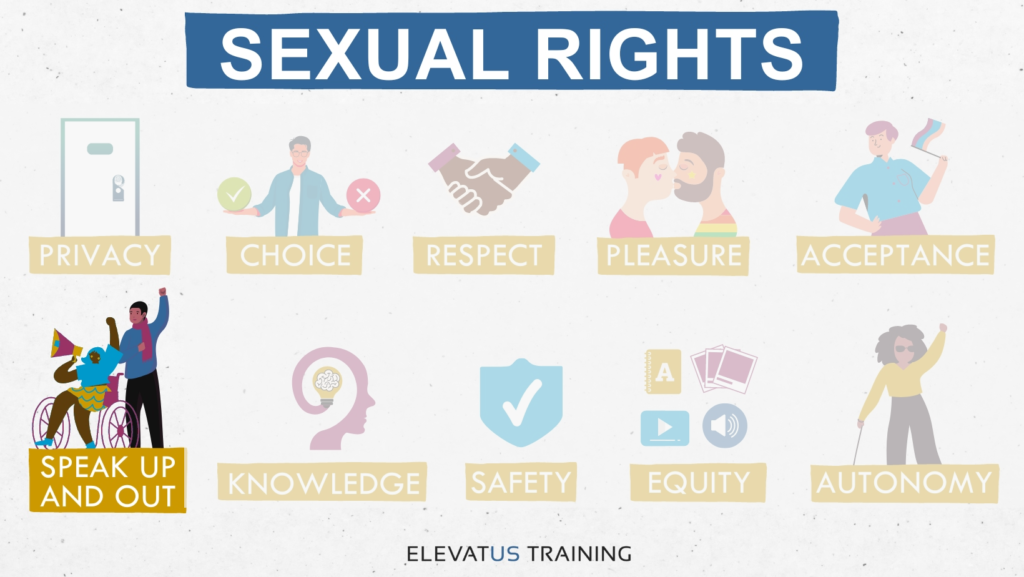
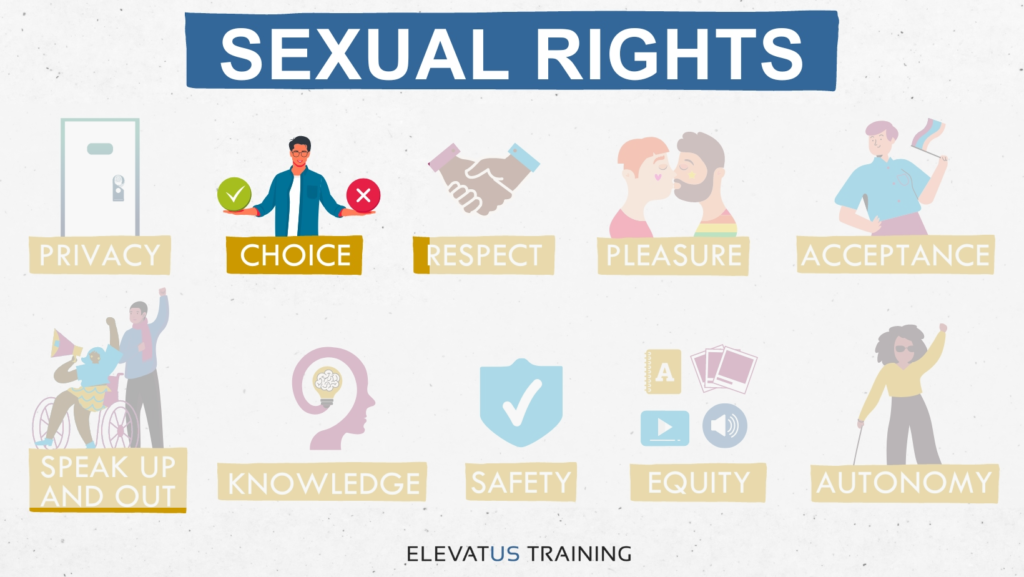
Graphic image showing all Sexual Rights, with Speak Up and Out highlighted.

Sexual Rights: Speak Up and Out – For People With Intellectual & Developmental Disabilities

People with intellectual and developmental disabilities (I/DD) have the right to speak up when they are hurt, abused, or their rights are violated. In this article, you will learn what the sexual right to speak up and out means, as wel as three ways you can support self-advocates in speaking up and reporting. Read more about: Sexual Rights: Speak Up and Out – For People With Intellectual & Developmental Disabilities

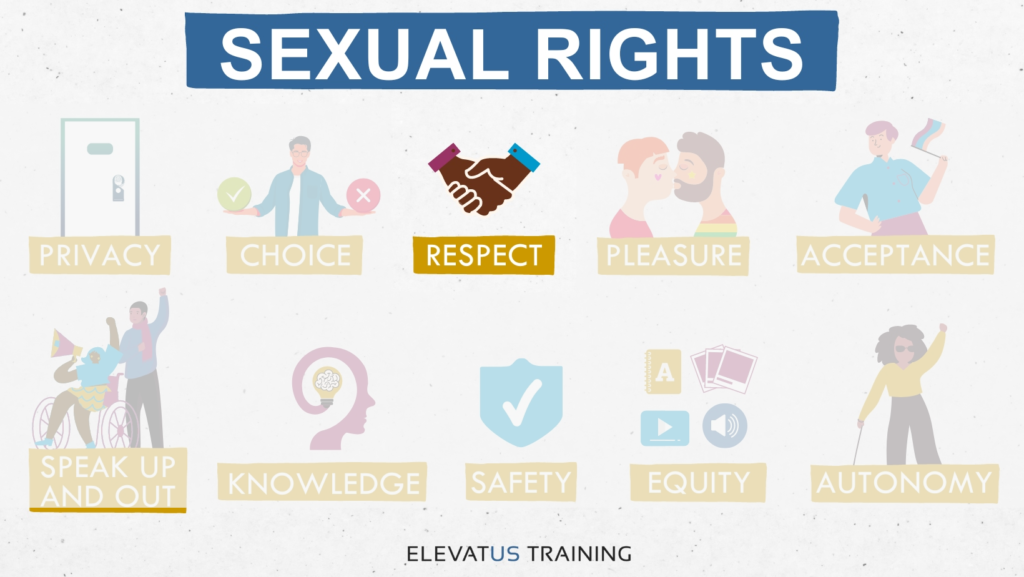
Graphic image showing all Sexual Rights, with Respect highlighted.

Sexual Rights: Respect for People With Intellectual & Developmental Disabilities

Believing in someone’s right to choose is only half of it; respecting the actual choices they make is what completes it. For people with intellectual and developmental disabilities (I/DD), that respect is too often withheld. In this article, you will learn what the sexual right to respect means and where these rights come from. We also discuss three ways you can show real respect for the choices self-advocates make. Read more about: Sexual Rights: Respect for People With Intellectual & Developmental Disabilities

Graphic image showing all Sexual Rights, with Choice highlighted.

Sexual Rights: Choice for People With Intellectual & Developmental Disabilities

The ability to make your own choices is the cornerstone of an empowered life. That holds true for people with intellectual and developmental disabilities (I/DD), in general and in their sexuality. In this article, you will learn what the sexual right to choice means, where these rights come from, and why self-advocates have the right to make their own choice around important life decisions. We also discuss three ways you can support this right. Read more about: Sexual Rights: Choice for People With Intellectual & Developmental Disabilities

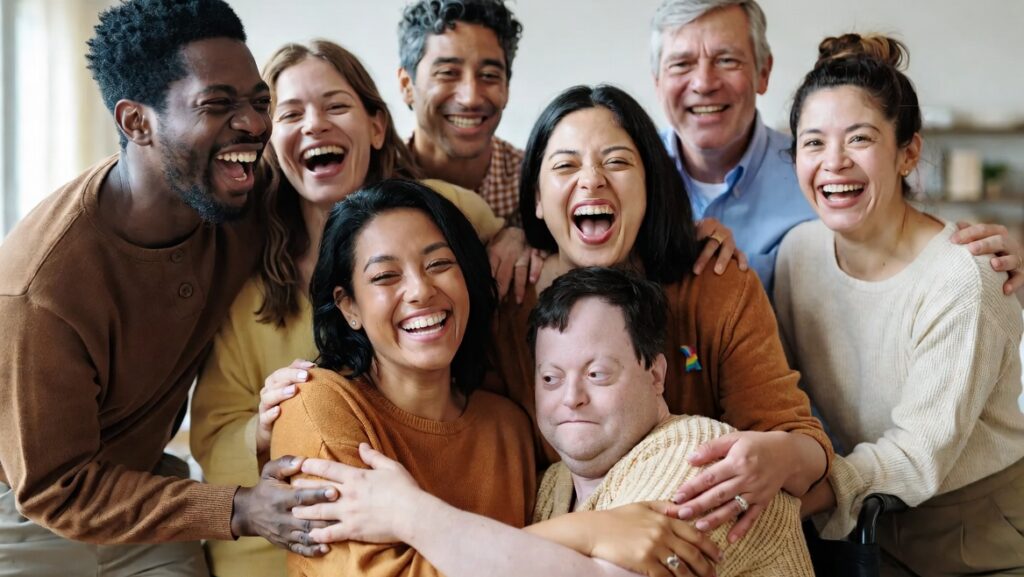
Diverse group of self-advocates, parents, and professionals smiling and learning together in an Elevatus Training workshop on understanding your body and sexual anatomy.

Inside and Out: Understanding Your Body – Sexual Anatomy and Medical Terms for People with I/DD

Knowing the correct medical terms for sexual body parts supports bodily autonomy, safety, clear communication, and protection from harm. This article provides accessible guidance for self-advocates, families, and supporters on sexual anatomy, using respectful language and resources tailored for people with intellectual and developmental disabilities. Read more about: Inside and Out: Understanding Your Body – Sexual Anatomy and Medical Terms for People with I/DD

Graphic showing, 3 faces - unhappy, neutral, and happy

Healthy, Unhealthy, or Unsafe? A Relationship Check-In Guide for People with I/DD

This guide walks you through the three types of relationships — healthy, unhealthy, and unsafe — and provides a practical, step-by-step tool for honestly examining the connections in your own life. Whether you are a person with I/DD working through this on your own or a supporter helping someone you care about, the steps below will help you see clearly and decide what comes next. Read more about: Healthy, Unhealthy, or Unsafe? A Relationship Check-In Guide for People with I/DD

Graphic indicating the article is an interview

Self-Advocate Perspective: Tina Fitzgerald on Disability, Sexuality, and Safe Relationships

Tina Fitzgerald is a disability rights self-advocate who works to promote understanding of sexuality, healthy relationships, and safety for people with intellectual and developmental disabilities. She is also an Elevatus Training Adjuct Trainer. Drawing on her personal and professional experience, she emphasizes the importance of open education, informed choice, and challenging stigma around disability and sexuality. Read the full interview below to learn more about her perspective and work. Read more about: Self-Advocate Perspective: Tina Fitzgerald on Disability, Sexuality, and Safe Relationships

Photo of an Asian woman teaching a class

Managing Curveballs in Teaching Healthy Relationships and Sexuality

Teaching healthy relationships and sexuality can be deeply rewarding — and unexpectedly messy. A room goes quiet, a participant says something surprising, a parent feels uneasy or a lesson lands harder than planned. This guide offers practical, compassionate strategies for educators and trainers who want to stay grounded when teaching about sexuality, disability, consent and self-determination gets real. Read more about: Managing Curveballs in Teaching Healthy Relationships and Sexuality

Graphic image showing all Sexual Rights, with Knowledge highlighted.

Sexual Rights: Knowledge — Empower Self-Advocates to Make Healthy Choices

People with intellectual and developmental disabilities (I/DD) have the right to sexual health education. We know that knowledge is power and ignorance is NOT bliss — yet people with I/DD are often given the message that this information is not for them. We all have the right to learn and become informed, and when we are not, we may suffer. Read more about: Sexual Rights: Knowledge — Empower Self-Advocates to Make Healthy Choices

A diverse group of adults, including people with disabilities, stand together smiling and talking in a warm, welcoming setting.

Do Autistic People Speak a Different Language?

Autistic people want love and partnership like anyone else, but communication differences can make dating feel like speaking a different language. Written from an autistic educator’s perspective, this article explains how literal interpretation, sensory and touch needs, and conflict styles play out in relationships, the real strengths autistic partners bring (honesty, reliability, loyalty), and how partners and sexuality educators can meet autistic people in the middle. Read more about: Do Autistic People Speak a Different Language?

Graphic image showing all Sexual Rights, with Acceptance highlighted.

Sexual Rights: Acceptance for People With Intellectual & Developmental Disabilities

Everyone deserves to feel accepted for who they are. For people with intellectual and developmental disabilities (I/DD) who are also LGBTQ+, acceptance can be harder to come by. This article explains the sexual right of acceptance, along with three practical ways to build understanding — plus free handouts and a Rainbow Support Group resource. Read more about: Sexual Rights: Acceptance for People With Intellectual & Developmental Disabilities

Graphic image showing all Sexual Rights, with Pleasure highlighted.

Sexual Rights: Pleasure for People With Intellectual & Developmental Disabilities

Pleasure — including sexual pleasure — is a normal, healthy part of life that everyone can enjoy, including people with intellectual and developmental disabilities (I/DD). This article reframes pleasure as something to embrace rather than feel guilty about, sets a learning objective for self-advocates and the people who support them, and offers three ways to explore general pleasure, sexual pleasure, and sexual feelings. Read more about: Sexual Rights: Pleasure for People With Intellectual & Developmental Disabilities

Graphic image showing all Sexual Rights, with Safety highlighted.

Sexual Rights: Safety, Empowering Self-Advocates to Keep Themselves Safe

People with intellectual and developmental disabilities (I/DD) deserve the knowledge and skills to help keep themselves safe. Learning about consent, boundaries, healthy relationships, and personal safety can help people recognize risks, communicate their needs, make informed choices, and advocate for themselves. This article explores why sexual safety education matters and shares practical ways to support self-advocacy, confidence, and safe relationships. Read more about: Sexual Rights: Safety, Empowering Self-Advocates to Keep Themselves Safe

Shopping Cart
Scroll to Top