All Articles

Filter posts by category

How to Teach Relationship Skills to People with I/DD Using TV and Film

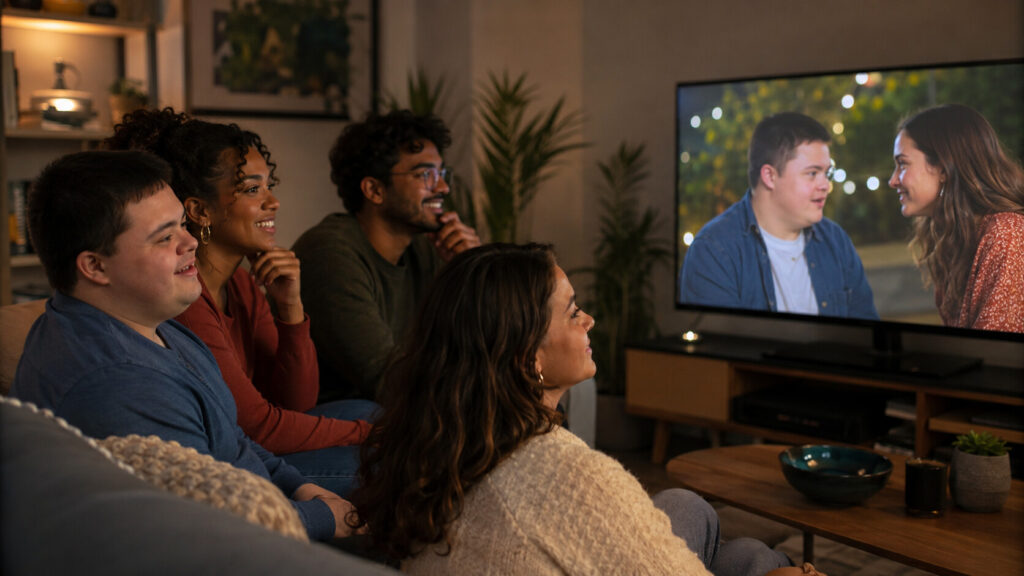
In January 2020, an open letter with signatures from 72 actors and directors was released discussing the importance of representation of disabilities in TV and film that features actors with disabilities in those roles. Statistics show that 95% of television shows that feature a person with a disability are played by actors who do not have any type of disability. Of the 61 Oscar nominations and 27 Oscar wins for roles that showcase characters with disabilities, only two of those roles were played by actors with disabilities themselves. Read more about: How to Teach Relationship Skills to People with I/DD Using TV and Film

Listening to Self-Advocates Voices

Being accepted for who you are and being in relationships has many benefits. Yet, people with developmental disabilities face barriers in achieving acceptance and building friendships and romantic sexual relationships that they desire because of restrictions, lack of control, and shameful, negative messages. The article, Restrictions, Power, Companionship, and Intimacy: A Metasynthesis of People with Intellectual Disability Speaking About Sex and Relationships, by Rhonda S. Black and Rebecca R. Kammes, explores the voices of people with intellectual and developmental disabilities (I/DD). 

Combining the results of 16 qualitative studies, 271 participants with intellectual disability were interviewed individually or in focus groups about their feelings and experiences regarding intimate relationships. From these studies, two competing themes emerged: control and desire. People with I/DD have desires, and family, caretakers, and organizations tend to want control of those desires either because they don’t believe these desires exist or they want to protect individuals. These competing themes are what put people with I/DD at risk. Read more about: Listening to Self-Advocates Voices

Disability Awareness

Katherine McLaughlin here … I spent many years as a non-disabled person, and people interacted with me as such. They saw me as an independent, regular person and interacted with me as a peer, with respect, and as a very capable person.

Then, at age 26, I acquired a disability, and everything changed. I was the exact same person, but all of a sudden, my interactions with others were different; people had new beliefs about me based only on the disability they saw. These beliefs came from stereotypes we have about people with disabilities. Now, people run to help me and tell me I am so inspiring, which is kind and positive, but there’s also an often-realized, not-so-positive impact of this. Read more about: Disability Awareness

What the “Sex Talk” Looks Like Now

With summer starting to wind down, many people are getting into the back-to-school mindset. Think back to your health/sex ed class days. What was it like? What messages did you receive? Over the decades, there have been some big shifts in the way we approach sexuality.

I love this clip from Comedy Central’s Alternatino (Youtube). While I do not believe talking with your child about sexuality is just one conversation, this clip is a great example of the generational differences that can pop up when we have conversations about this topic. We have a lot to learn from each other. However, the main message is that we are all sexual beings and have the right to comprehensive, medically accurate, and age-appropriate sexuality education. Read more about: What the “Sex Talk” Looks Like Now

Healthy Boundaries Lesson

Your body is your own, and you get to decide what is okay and what is not okay. These personal rules are called personal boundaries. Each person has different personal boundaries. For example, some people don’t like to hug, and others want to hug everyone. Neither way is wrong; these boundaries are just different. Since people have different boundaries, it is important for you to know what yours are to tell others if they have crossed them. Read more about: Healthy Boundaries Lesson

Self-Advocates Speak Up About Sex

Members of Green Mountain Self-Advocates in Vermont held a discussion group about sexuality to share their thoughts and experiences. Here are their candid responses to a number of questions about the messages they received about sexuality over the years and why they think sexuality education is important. 

This is a record of the conversation as it occurred. In some places, they respond to one another, as well as to the questions. Their real names have not been used at their request. Read more about: Self-Advocates Speak Up About Sex

Nothing About Us Without Us

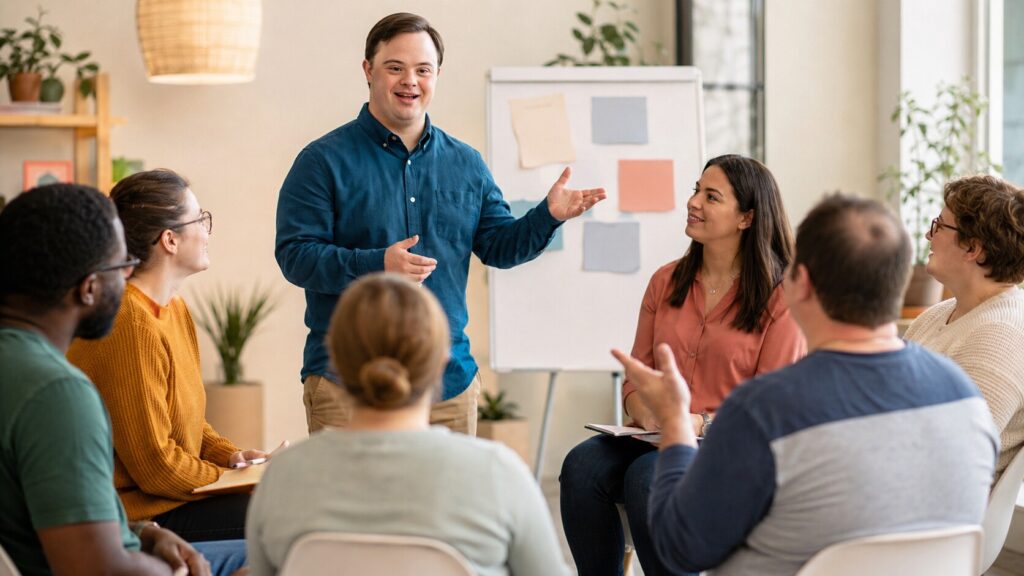
I remember the day Karen Topper, Executive Director of Green Mountain Self Advocates, asked, “Can we create a sexuality education curriculum where people with developmental disabilities are teachers and are actively involved in creating this educational tool?” This startling statement pushed my thinking. My usual thoughts were that I and other professionals would create a curriculum, and we would be the teachers, not people with disabilities. And then, I started to imagine, and now, I ask you to imagine… Read more about: Nothing About Us Without Us

Has Pornography Become the “Go To” Sexuality Educator for Our Youth? Part 2

Respond, don’t react is a great strategy for dealing with anything unexpected …even pornography.

I remember having a conversation with my son about pornography when he was 17 years old. I was on our family computer and found porn. Upon seeing those images, all I could think was, does he think all partners want this? After gathering myself to have a conversation with him, I wanted to convey that many partners don’t want what you saw and to ask before doing anything with a partner. Read more about: Has Pornography Become the “Go To” Sexuality Educator for Our Youth? Part 2

Shopping Cart
Scroll to Top