All Articles

Filter posts by category

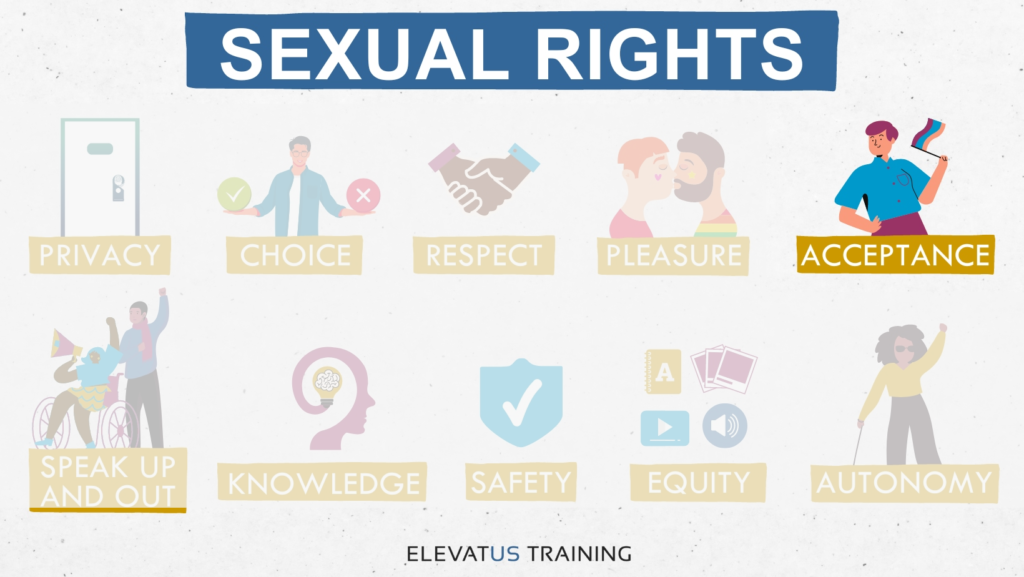
Graphic image showing all Sexual Rights, with Safety highlighted.

Sexual Rights: Safety, Empowering Self-Advocates to Keep Themselves Safe

People with intellectual and developmental disabilities (I/DD) deserve the knowledge and skills to help keep themselves safe. Learning about consent, boundaries, healthy relationships, and personal safety can help people recognize risks, communicate their needs, make informed choices, and advocate for themselves. This article explores why sexual safety education matters and shares practical ways to support self-advocacy, confidence, and safe relationships. Read more about: Sexual Rights: Safety, Empowering Self-Advocates to Keep Themselves Safe

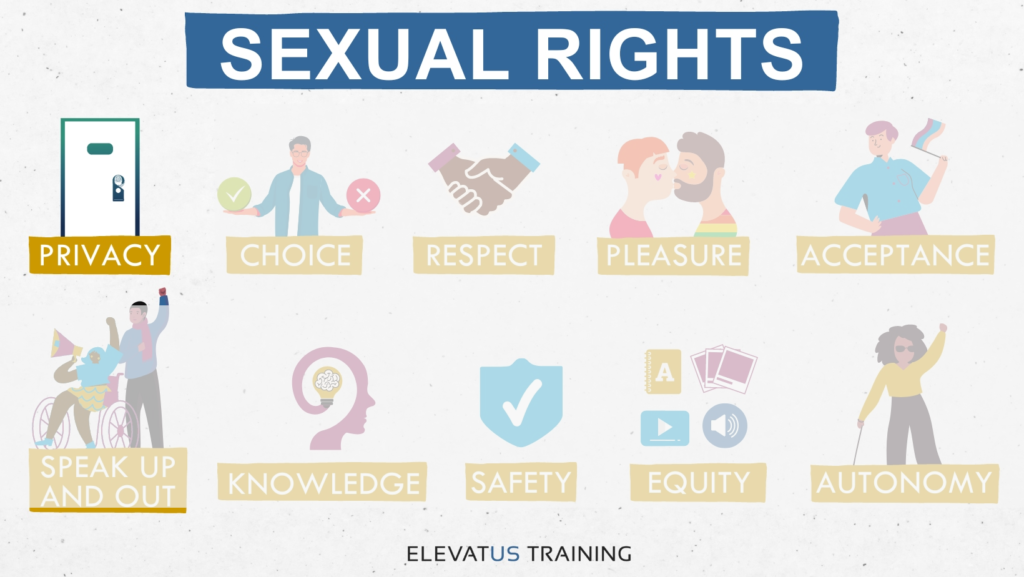
Graphic image showing all Sexual Rights, with Privacy highlighted.

Sexual Rights: Privacy for People With Intellectual & Developmental Disabilities
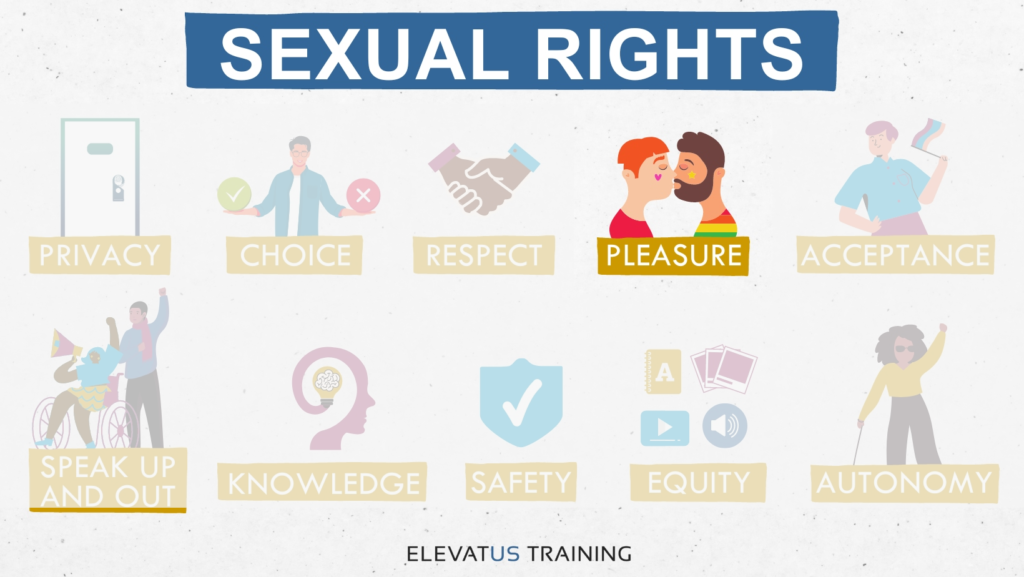
Privacy is a basic human right, but people with intellectual and developmental disabilities (I/DD) are often denied it — especially around sexuality and relationships. This article explains how privacy gets taken away, sets a learning objective for self-advocates and professionals, and offers three ways to respect and protect privacy. Read more about: Sexual Rights: Privacy for People With Intellectual & Developmental Disabilities
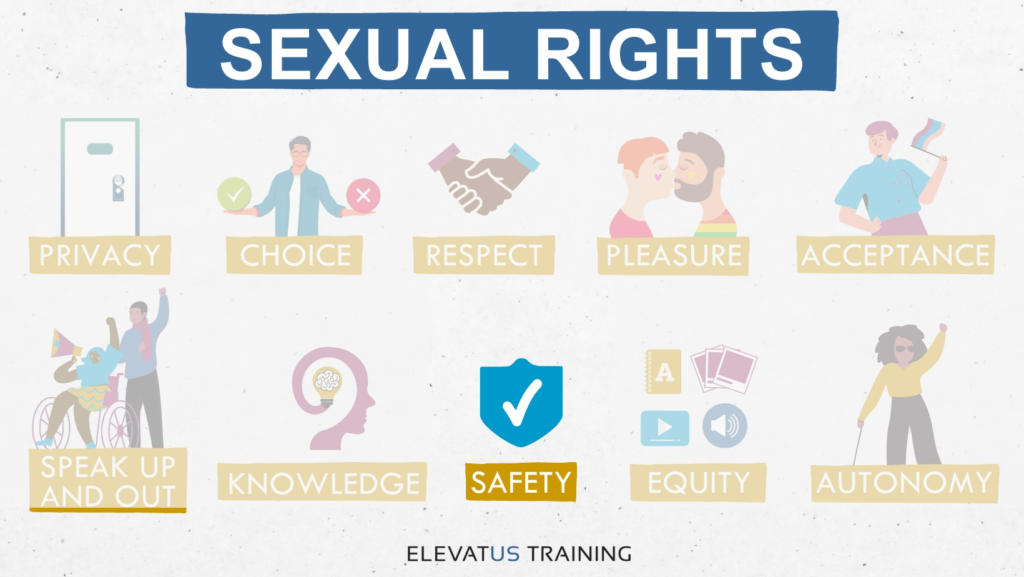
Graphic image showing all Sexual Rights, with Privacy highlighted.

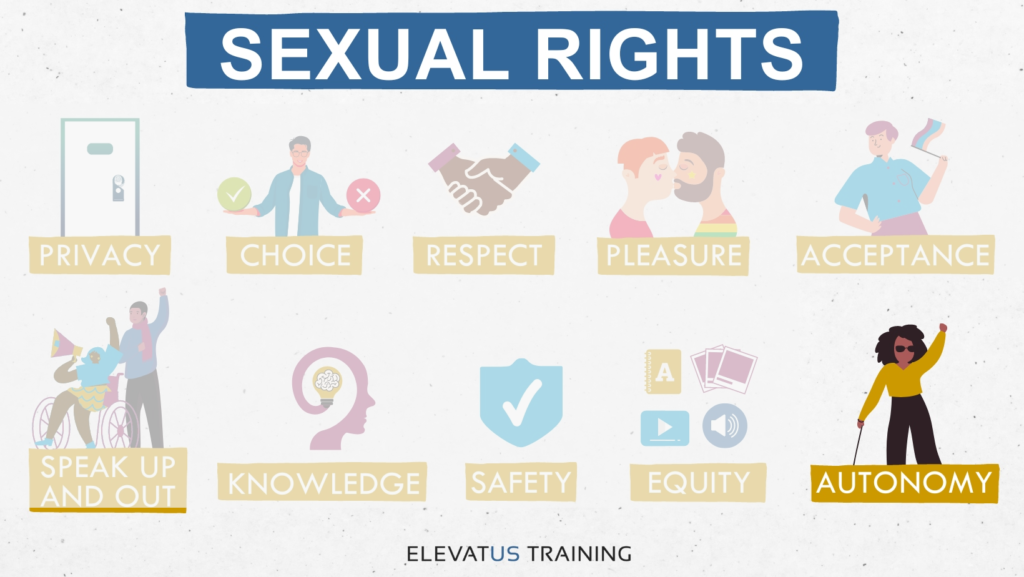
Sexual Rights: Autonomy for People With Intellectual & Developmental Disabilities
Autonomy means self-governing — being in charge of your own life, body, mind, and relationships, and making informed decisions free of pressure. For people with intellectual and developmental disabilities (I/DD), that right is often overlooked. This article explains what autonomy is and shares three activities to help self-advocates recognize and claim it, plus a bonus reflection for the professionals who support them. Read more about: Sexual Rights: Autonomy for People With Intellectual & Developmental Disabilities
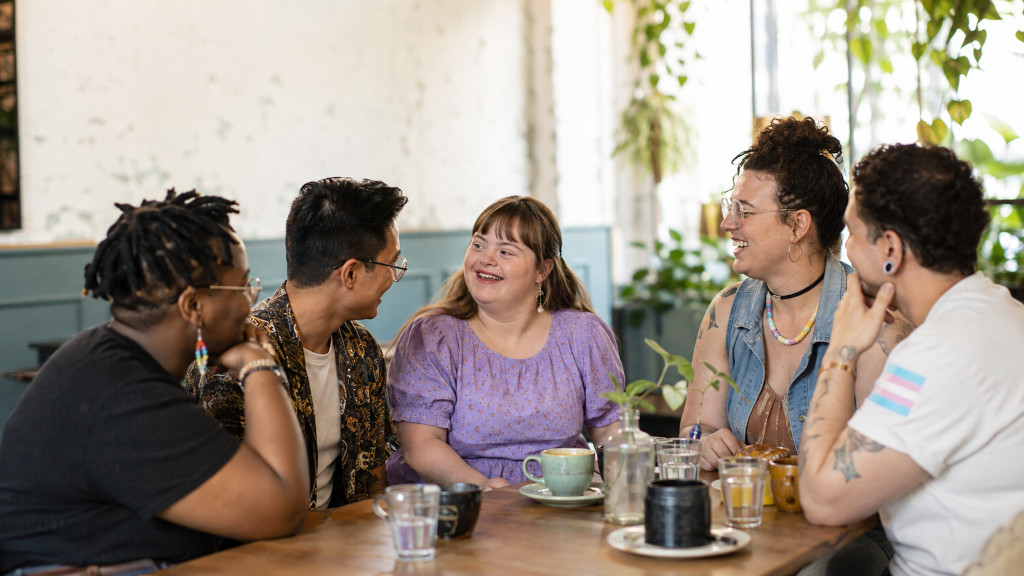
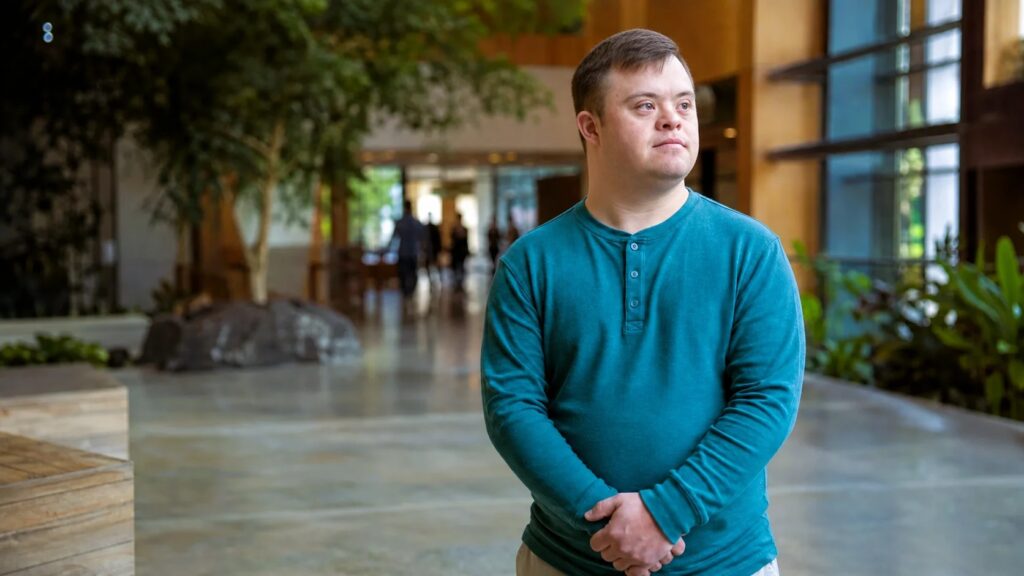
Diverse group of adults with I/DD, including a man with Down syndrome, discusses relationships and online behavior in a peer-led workshop.

Victim or Offender? People with I/DD Accused of Sex Offending Behaviors

People with I/DD face the criminal justice system from both sides — far more likely to be victimized than their peers, and overrepresented among suspects and inmates. The reasons trace back to unaddressed trauma, exploitation by others, and a persistent lack of sexuality and relationship education. Comprehensive, accessible education is part of the fix. Read more about: Victim or Offender? People with I/DD Accused of Sex Offending Behaviors

Photo of young woman leading a class on values.

Can You Be a Vegetarian and Work at McDonald’s? Managing Values and Attitudes as Professionals

Professionals supporting people with intellectual and developmental disabilities (I/DD) often face situations where their personal values conflict with their professional role. This article explores how to manage personal beliefs about sexuality while providing respectful, person-centered support. Read more about: Can You Be a Vegetarian and Work at McDonald’s? Managing Values and Attitudes as Professionals

Shopping Cart
Scroll to Top